
Introduction
The Centre for Gender Studies also known as Centre for Women Gender Studies before its’ inception in 2007, was known as Women Resource Centre (WOREC) under the directorship of Late Professor Rose Acholonu, where data and information concerning women were obtained as well as Research Centre for Women Issues. It later metamorphosed into a Centre for Women and Gender Studies/Centre for Gender Studies, a Centre of excellence and intervention activities that contributes greatly to gender equity and sensitivity in the University community and a larger society, with Late Professor Achunine as the Director.
In 2008, teaching and research in gender studies began in earnest with an initial intake of 15 Masters Degree Students. Other Directors of the Centre before the Current Director Dr Ngozi Chuma Umeh- an Associate Professor of Law were: Prof. F.C. Emenalo, Prof. Adaobi Obasi and Prof. H.O. Anukam. It is in realisation of the urgent need for the development of national resources for rapid socio-economic-political development and for attainment of sustainable goal as well as the self-actualisation and fulfilment of every individual regardless of gender that the university was gingered to prioritise gender studies. Also, giving the socio-cultural patriarchal background of our societal perception and practices, with the attendant gender stereotypes, biases, discrimination, inequality, and gender based violence, sexual harassment, etc., gender studies is deemed to be a gateway and a panacea for equitable development in the society.
In cognisance of the above, Imo State University, expediently established Centre for Gender Studies in 2007 and became the first university in the South East to kick start a Masters and PhD programmes in Gender Studies. Now the Centre runs the Post Graduate Diploma in Gender Studies (PGDGS), Master’s in Gender Studies (MIGS), M.Phil. and Ph.D. in Gender Studies. The Centre offers courses in Philosophical Foundation of Women and Gender Studies; Feminist Theory and Practice; Conflict Resolution/Peace and Globalisation; Social Change; Gender Health and Family; Gender and Religion; Gender and Politics; Gender, Power and Politics; Entrepreneurship and Gender, Law and Human Rights; Poverty, Inequality and Gender.
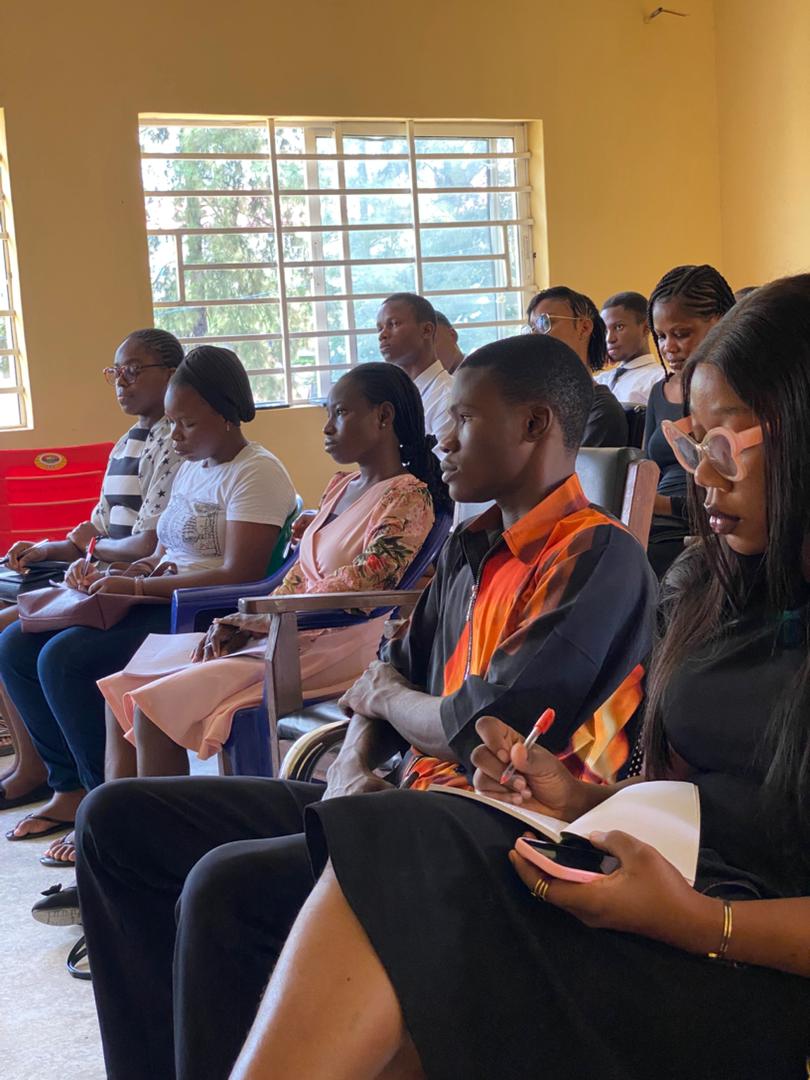
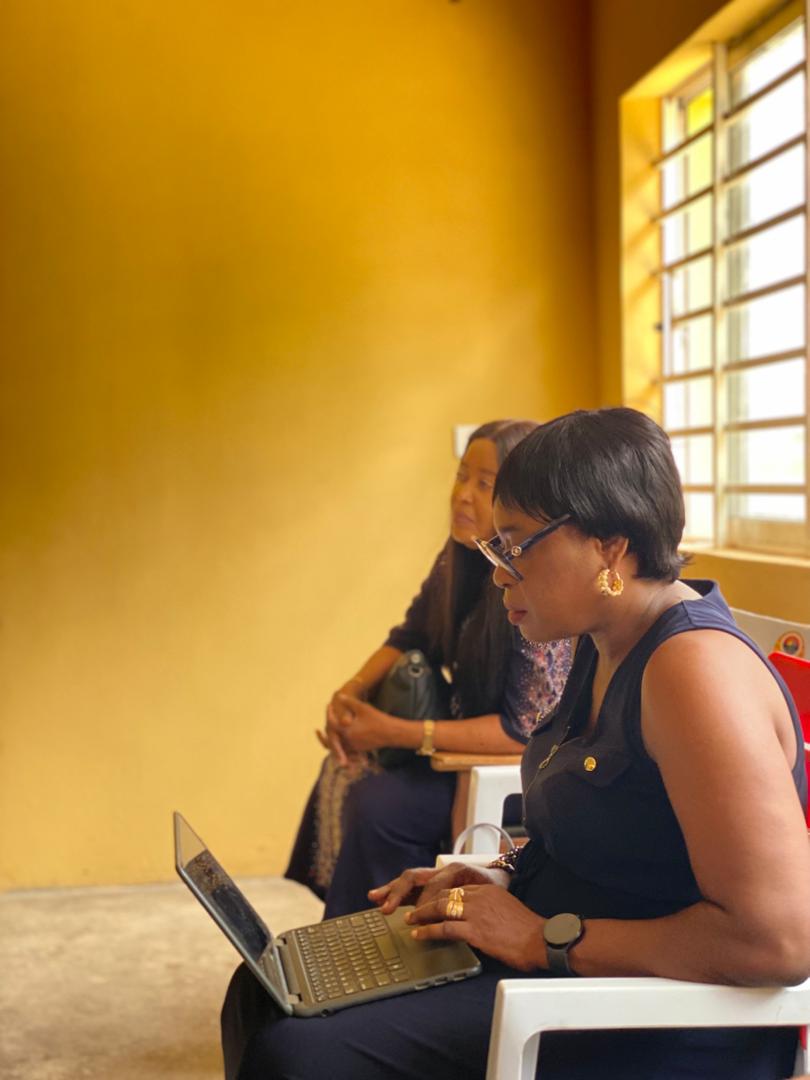
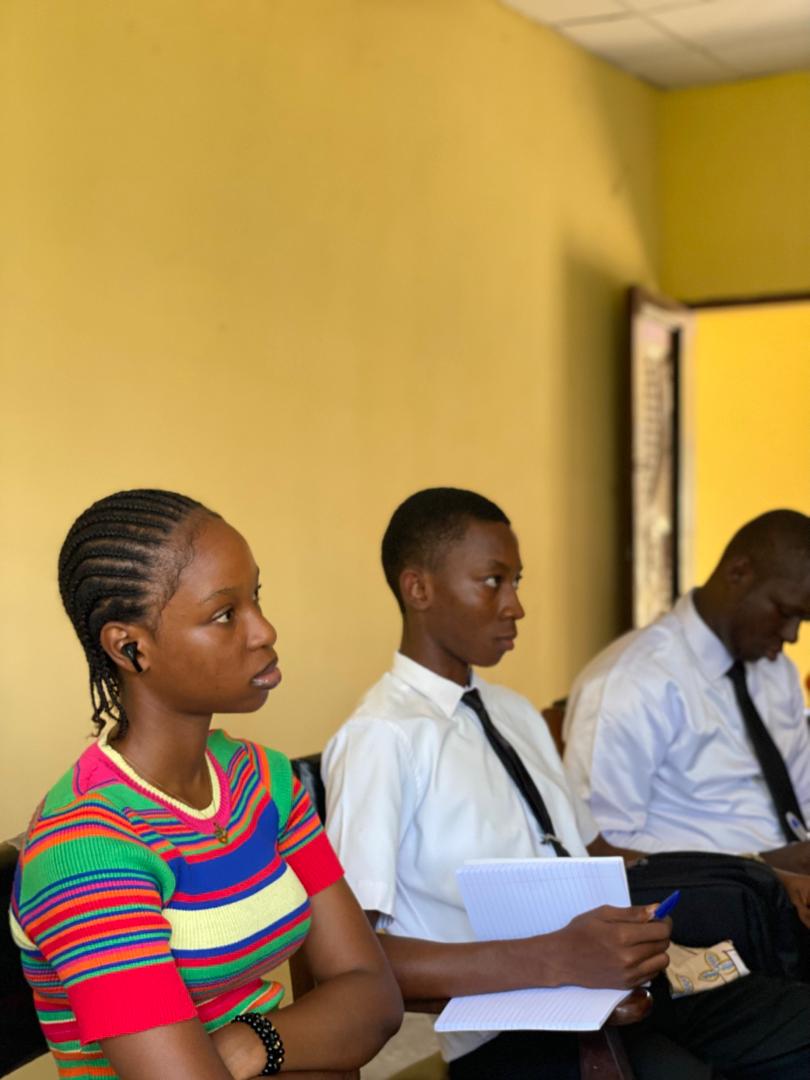
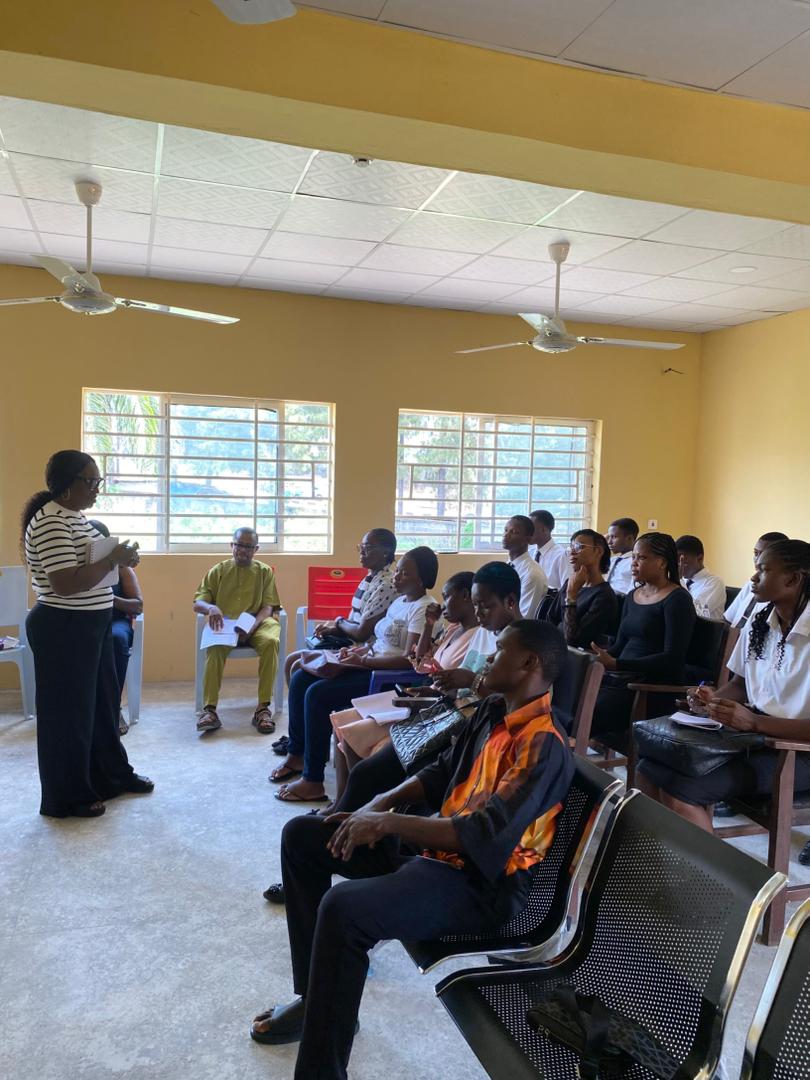
It also embarks on advocacy, training, empowerment, workshop, conferences, data collection, publication and policy formulation in areas of women, men, girls, boys and other gender related matters. The Centre is committed to addressing all forms of subjugation, inequality in human relationship and system dimension that maintains them.
Vision Statement
To be a world class Centre for Gender Studies that promotes a society free from gender biases, discrimination and gender based violence, where women, men, girls and boys are groomed, mentored and empowered for self-actualisation towards sustainable development in a free and safe civic space.
Mission Statement
1. To contribute to the development of women and girls, men and boys through advocacy, awareness and policy implementation to reduce to gender biases, discrimination, discrimination and gender based violence.
2. To promote a free and safe civic space for women and girls.
3. To be a world reputable research centre focused on gender issues.
PESTLE Analysis
Political: The political environment in Imo State is not quite friendly and positive and this has contributed to a high level of non-participation of women in politics in the state. This is evident in the zero number of women in the 27 House of Assembly Legislators, 27 male Sole Administrators and 26 men out of 28 commissioners despite the fact the Deputy Governor of the state is a woman.
Economic: The economic situation in the state is not favourable to the university as a result of the state operating a single treasury account. Therefore, funds are not adequately being appropriated to the University, which directly/indirectly affects the Centre, as funds are not made available to the Centre to carry out her mapped out activities.
Social: The social environment is active bubbling with various activities ranging from buying and selling within and outside the university environ, ethnic and religious activities that contribute to the wellbeing of those living within and outside the university environment.
Technological: The Centre is lagging behind technologically as the Centre lacks the necessary ICT facilities to reach out to a larger population and cut across borders. For instance, the Centre does not have a website where she can be connected with the global world due to non-functionality of Imo State University ICT Centre.
Legal: The Centre is currently working on her gender policy and sexual harassment policy in order to have a working document. Also, the Centre seeks to domesticate the documents of the fundamental human rights, the Belgium Affirmative Action, the Millennium Development Goals and the Sustainable Development Goals, Imo State Sexual Harassment and Discrimination Policy, National Gender Policy and VAPP Law.
Environmental: The University is situated at the heart of the capital city, which is highly populated with people of diverse background, perception, orientation and tradition. Also the Centre is well situated in the University for Easy Accessibility. As a busy area, the environment is characterised by climate change which manifests in air, land, water and noise pollution as well as traffic congestion. All these influence planning, programme activities and implementation of the Centre.
SWOT Analysis
Strength: The strength of the Centre is derived from factors such as human resources (dedicated staff), team spirit, good relationship, students and partnership with NGOs like AFA, CSAE, AAMN, Gender mobile etc.
Weakness: Lack of financial support, poor remuneration and incentive of the facilitators, lack of capacity building for staff. Poor funding, inadequacy of administrative staff (Financial Officer), absence of ICT tools, dilapidated office equipments. We do not have well equipped research unit. There is also the absence of gender policy/sexual harassment policy.
Opportunities: Partnership with NGOs, collaboration with SUG, our PG students, leveraging on developments in ICTs to undertake research on gender related issues. Undertaking social and resource mobilisation and establishment of virtual platforms to articulate and disseminate gender research issues.
Threat: Students cult or violence, patriarchal mind-sets of people, absence of women legislators in the house of assembly, ineffective gender legislations, etc.
5 YEARS STRATEGIC PLAN - CENTRE FOR GENDER STUDIES, IMO STATE UNIVERSITY
Strategic Objectives and Programme
Goal 1
Promote Modern Research and Teaching on Gender Issues
Objectives
i. Develop gender responsive curriculum (1 Yr. expected time of attainment)
ii. To produce gender sensitive students to become the social crusaders against gender inequity, sexual harassment and gender based violence (1 Yr. expected time of success).
iii. To raise Awareness on gender mainstreaming in admission and decision making on campus (1 Yr. anticipated time frame for achievement).
iv. Organisation of gender conferences/publication of Journals on Gender Issues (2 Yrs. expected time for accomplishment).
Expected Results
i. Having a robust gender curriculum for PGDGS, Master’s, M.Phil and Ph.D. within one year period.
ii. Production of at least, 20 gender specialist graduates within a period of three years.
iii. Formation of gender social crusaders/Volunteers club on campus.
iv. Hosting of gender conference/workshop on campus.
Goal 2
Empowerment/Capacity Building of Women, Girls and Youths
Objectives
i. Organisation of workshops on leadership abilities and personal skill development for women and girls, men and boys (2Yrs. allotted time of accomplishment).
ii. Facilitation of Loans/Grants to women in partnership with donor agencies (3 Yrs. expected time of completion).
iii. Trainings of women, men, girls and boys on ICT in partnership with donor agencies (4 Yrs. allotted time for accomplishment).
Expected Results
i. Procure seed business loan for at least 10 women in the next 3 years through interaction with donor agencies.
ii. Train 100 women, boys and girls to be knowledgeable in ICT within the next 3 years.
iii. Organise leadership/personal skill development workshop.
Goal 3
Facilitation of Intervention Projects and Advocacies with Relevant Stakeholders on Gender Issues such as Sexual Harassment, Gender Based Violence, Domestic Violence and Gender Political Inequity
*All projects under this Goal three (3) are expected to be achieved at least within one year.
Objectives
i. To carry out sensitisation and awareness programme on gender equity, sexual harassment, gender based violence, domestic violence and gender political inequity (1 Yr.)
ii. Publication and circulation of gender policy and sexual harassment policy
iii. Media Discussion (1 Yr.)
iv. Outreach programme – visit to secondary schools for sensitisation on Sexual Harassment, Domestic Violence, Gender Based Violence, etc. (2 Yrs. )
Expected Results
i. All and sundry in and outside the university is made aware of the gender policy and sexual harassment policy and what it means.
ii. Have at least 3 radio broadcast/discussion on gender related issues such as gender equity, sexual harassment, gender based violence, domestic violence and gender political inequity.
iii. Carry out 3 sensitisation and awareness programme within and outside the university in the next 3 years.
iv. Embark on 3 secondary school outreach programmes in order to educate girls and boys on their sexual reproductive health and rights.
Goal 4
Upgrading the Physical Facilities at the Centre
*All projects under this Goal four (4) are expected to be achieved at least within one year.
Objectives
I. To renovate the building structure of the Centre (1 Yr.).
II. To provide essential ICT tools for effective communication, data collection and dissemination of information on gender issues (1 Yr.).
III. To provide modern furniture for the Centre (1 Yr.).
IV. Equipping the library and ICT room (1 Yr. expected time for completion).
V. Getting an Official Vehicle for the Centre (1 Yr.).
Expected Results
i. Have a renovated building structure befitting for the Centre.
ii. Have a new set of furniture in the Centre.
iii. Have the necessary ICT tools needed for optimum performance and productivity
iv. Equip the library, research room and ICT room with the needed gadgets.
BUDGET:
*NOTE: This Budget is open to Possible AMENDMENTS considering the Inflation Rate in Nigeria
| EXPENSES | TOTAL |
|---|---|
| Conference Hall, Breakfast, Tea Break, Lunch, DJ, Gala Dinner |
₦10,000 000 |
| Renovating the Centre Dilapidated Buildinge Re-roofing, Painting, Change of Doors and Windows, Electrical Gadgets, Workmanship |
₦25,000 000 |
| Operating Expenses ICT Facilities, Office Equipment and Supplies, Internet, Fuel, Developing Website, IT Staff and Finance Officer |
₦15,000 000 |
| Books and Materials Gender Policy, Sexual Harassment Policy, Gender Textbooks, Gender Related Journals, Fliers, Flex Banner, Training Pamphlets |
₦10,000 000 |
| Counselling Unit Therapeutic Tools, Audio-Visual Equipment, Furniture, ICT Facilities, Soundproofing/Noise Cancelling Devices |
₦20,000 000 |
| Research Data Collection Tools, Assessment Tools, Data Recording Tools, Field Work Tools, Administrative Materials |
₦12,000 000 |
| Training and Outreach Digital Leadership Workshop, Secondary School Outreach, Awareness, Advocacy, Empowerment, Information Education and Communication (IEC) Materials |
₦11,000 000 |
| Advertising the Centre and Her Activities Social Media Handles, Media Broadcast, Social Media Ads, Information Education and Communication (IEC) Materials |
₦7,000 000 |
| Travel Cost Vehicle, Fuel, Driver, Maintenance |
₦9,000 000 |
| Purchase of Official Vehicle for the Centre | ₦18,000 000 |
| Total | ₦114,500 000 |
PICTURE GALLERY

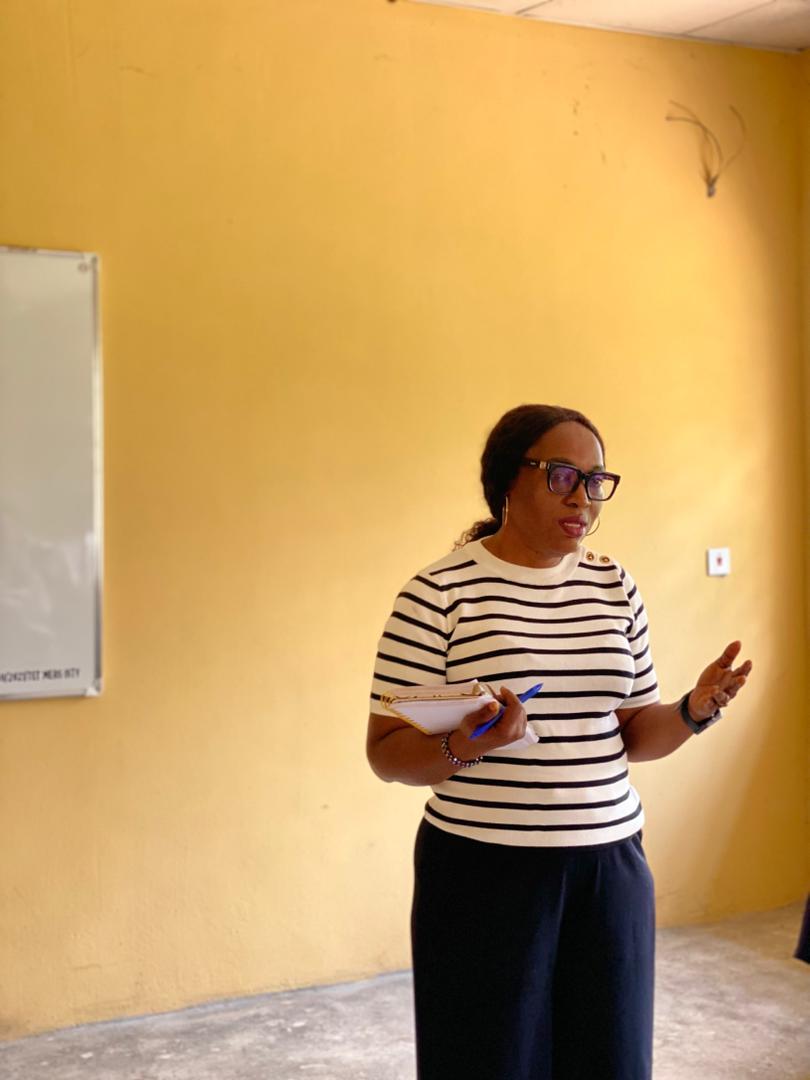
Dr. Ngozi Chuma Umeh
(Asso. Prof.)
Director, Centre for Gender Studies
Imo State University, Owerri.
Rev. Sr. Ekwe, Catherine (Kate)
Ngozi, PhD
Research Desk Officer,Centre for Gender Studies
Imo State University, Owerri.